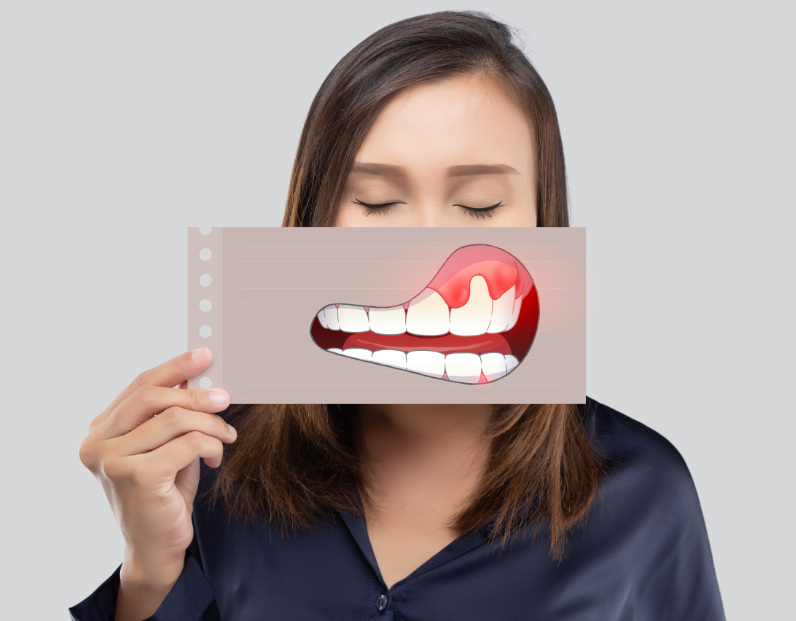
Your mouth and the rest of your body may be more connected than you realize. While gum disease is best known for causing red, swollen, or bleeding gums, researchers have also found an association between periodontal disease and high blood pressure.
That doesn’t necessarily mean gum disease directly causes hypertension. However, the connection is important enough that taking care of your gums may be another valuable part of protecting your overall health.
What Is the Connection Between Gum Disease and Blood Pressure?
Periodontal disease is a chronic infection and inflammatory condition that affects the tissues supporting your teeth. When gum disease becomes severe, bacteria and inflammation can affect more than your mouth.
Research has found that people with periodontitis are more likely to have high blood pressure than people with healthier gums. An American Heart Association report on research involving 500 adults found that people with severe gum disease were approximately twice as likely to have elevated systolic blood pressure readings compared with participants without severe gum disease.
A 2026 systematic review and meta-analysis also found a significant association between periodontitis and hypertension across dozens of studies. However, because much of the available evidence is observational, researchers cannot yet establish that gum disease directly causes high blood pressure.
Could Inflammation Play a Role?
One possible explanation is inflammation. Periodontitis causes ongoing inflammation in the gums, and researchers are investigating how inflammatory processes may affect blood vessels and cardiovascular health.
The relationship may also go in both directions. Gum disease and hypertension share several risk factors, including smoking and other health conditions, which makes it difficult to isolate one condition as the direct cause of the other.
In other words, having gum disease doesn’t mean you’re destined to develop high blood pressure. But the association is another good reason not to ignore signs of periodontal disease.
How Can You Protect Your Gums?
The good news is that there are several simple steps you can take to support your periodontal health.
Start with the basics: brush your teeth twice a day using fluoride toothpaste and clean between your teeth every day. Regular dental appointments are also important because early gum disease may not cause obvious symptoms.
Pay attention to warning signs such as bleeding when you brush or floss, persistent bad breath, swollen or tender gums, receding gums, or loose teeth. These symptoms can indicate periodontal problems that deserve professional attention.
If you already have gum disease, professional periodontal treatment may help control the infection and inflammation. Emerging research is even investigating whether treating periodontal disease can positively affect blood pressure. A 2026 meta-analysis of randomized trials found reductions in blood pressure following periodontal therapy, although researchers noted that more high-quality studies are needed.
Don’t Forget Your Blood Pressure
High blood pressure often doesn’t cause noticeable symptoms, so regular monitoring is important even if you feel perfectly healthy. If you’re concerned about your blood pressure, talk with your medical provider rather than relying on dental care alone.
Taking care of your mouth is one piece of a much bigger picture of whole-body health.
Healthy gums are worth protecting—not just for your smile, but as part of your overall wellness.
About the Practice
Pleasant Grove Family Dentistry provides comprehensive dental care for patients in the Texarkana community, with services designed to support healthy teeth and gums throughout every stage of life. The practice offers periodontal disease treatment along with preventive, restorative, and cosmetic dental services. Its dental team takes a patient-centered approach to identifying oral health concerns and developing individualized treatment plans to help patients maintain their smiles and overall well-being.
Call us at (903) 838-9700 or schedule your appointment online